NSF AISL Meetings » 2026 Awardee Meeting » Program » Stories for Impact
This page provides information about the 2026 AISL Awardee Meeting session: Stories for Impact: Responsive Storytelling for AISL Projects which took place on February 24, 2026.
Stories for Impact: Responsive Storytelling for AISL Projects
Speaker: Nic Bennett, Ph.D.
AISL projects, across museums, community STEM programs, media, PPSR projects, and research–practice partnerships, play a foundational role in shaping how people learn, engage with, and feel belonging in STEM. Yet communicating the purpose, values, and impact of this work can be challenging. Conveying the meaning and stakes of informal STEM learning requires more than information. It requires story.
Developed specifically for REVISE’s AISL awardee community, this workshop supports participants in using storytelling to illuminate the “why” of their project, strengthen partnerships, and communicate impact in ways that honor community knowledge and diverse ways of knowing.
Drawing from arts-based and narrative traditions, we explore how stories help us:
- bridge everyday experiences with what’s at stake for STEM learning
- gather people around shared goals
- broaden participation and belonging
- communicate project impact to partners, funders, and public audiences
Because informal STEM learning is fundamentally relational, this workshop uses improv-inspired interactive exercises, story frameworks, and dialogic reflection practices to help AISL awardees bring their project stories to life. Participants will experiment with storytelling in real time, practicing the creativity, collaborative sense-making, and vulnerability needed to communicate program impacts.
By telling stories, our impact becomes clearer, deeper, and more rooted in the communities we serve.
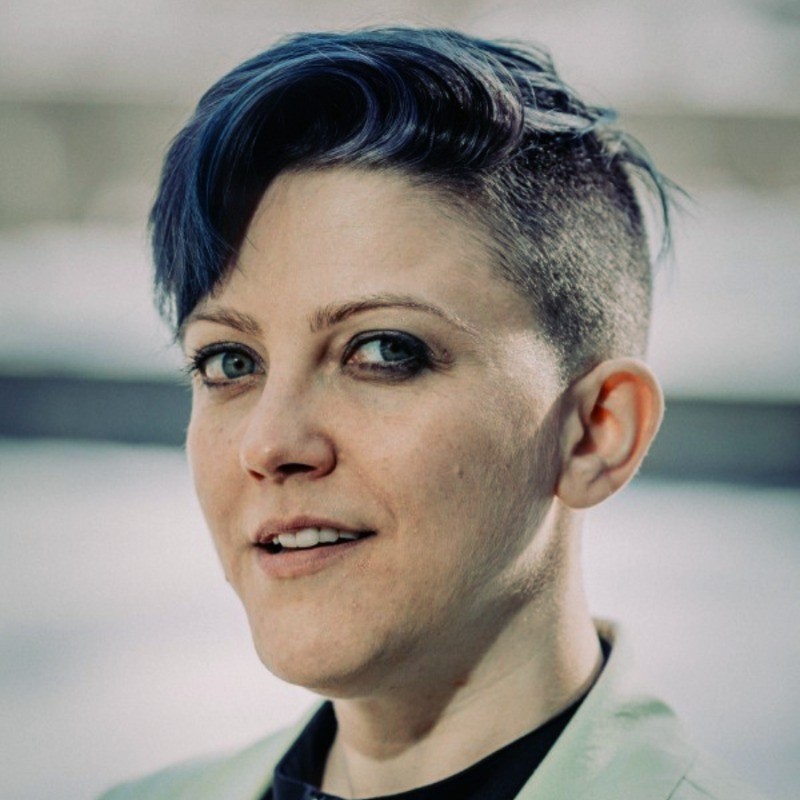
Speaker Bio
Nic Bennett, Ph.D., (they/them) is a civic science researcher, facilitator, artist, and organizer imagining what science could become when it is practiced in solidarity with the public. Their work lives at the edges of disciplines and movements, building bridges between research, political education, and creative practice. As the founder of Science in Solidarity, they convene researchers who are ready to move beyond individual advocacy and into collective strategy—defending communities, reshaping institutions, and reimagining science as a democratic, relational practice.
Grounded in scholarship on power, identity, and belonging in science communication, Nic’s facilitation blends popular education, improvisation, and Theatre of the Oppressed to help people practice courage together. They design spaces where scientists can confront the myths of neutrality, build shared analysis, and cultivate leadership rooted in care and accountability. Across organizing campaigns, arts-science collaborations, and community-engaged research, their work invites a deeper question: not only how we communicate science, but who science is for—and who we must become to practice it in liberatory ways.
Nic’s work asks how science might change if it were accountable to the people it claims to serve—and how we might change together in the process.
Email: nic.bennett.scicomm@gmail.com